
Mastering the Art of Sports Broadcasting: Techniques and Trends for Success
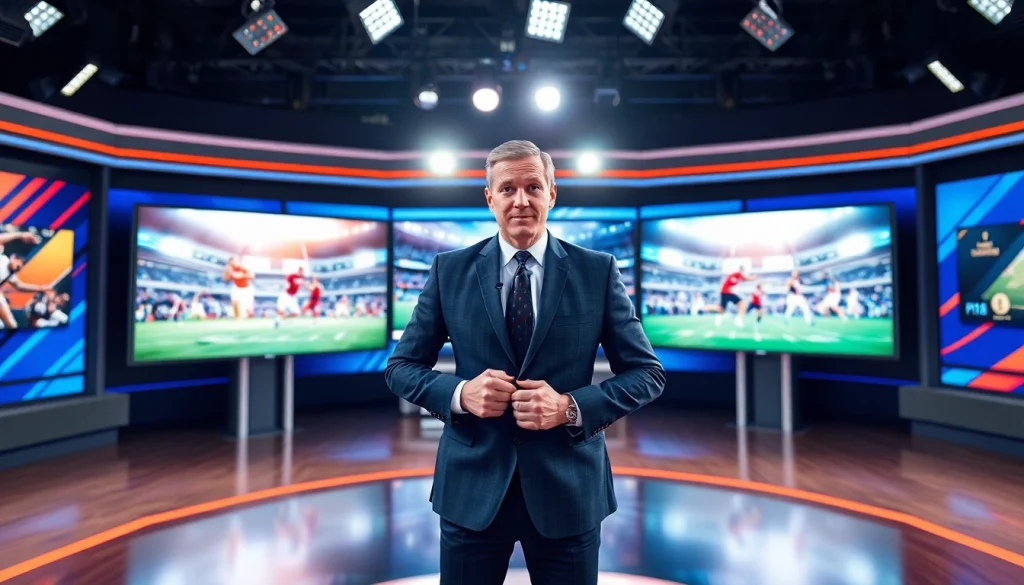
Understanding Sports Broadcasting Fundamentals
What is Sports Broadcasting?
Sports broadcasting is the transmission of live or recorded sports events through various media channels, including television, radio, and digital platforms. This industry showcases sporting events, analyses games, interviews athletes, and delivers commentary. With the evolution of technology, the reach and format of sports broadcasting have diversified greatly. Modern Sports Broadcasting combines innovative technologies with deep intellectual engagement to deliver enhanced experiences to audiences worldwide.
Historical Evolution of Sports Broadcasting
The roots of sports broadcasting can be traced back to the early 20th century when radio began to broadcast live events. An iconic moment was the coverage of the 1921 boxing match between Jack Dempsey and Georges Carpentier, which captivated audiences and solidified the broadcasting medium as a powerful tool for engaging sports fans. Television took prominence in the 1950s, expanding the audience base and allowing for visual storytelling, while the advent of cable television in the 1980s introduced dedicated sports networks, bringing unprecedented access to various sporting events.
In more recent years, the rise of the internet and mobile applications has revolutionized sports broadcasting. Live streaming services and social media platforms have democratized access to content, allowing fans to engage in real-time discussions and watch games on-the-go. This evolution reflects a broader trend of shifting consumer behaviors, with on-demand content becoming increasingly prevalent.
The Role of Technology in Sports Broadcasting
Technology plays a pivotal role in shaping sports broadcasting. High-definition cameras, drones, and advanced broadcasting software enhance the quality and clarity of sports events, providing viewers with immersive experiences. The integration of data analytics and augmented reality has also changed the landscape, enabling broadcasters to present statistics and visual content that deepen viewers’ understanding of the game.
Another leap forward is the use of 5G technology, which promises to improve streaming quality and reduce latency, making it feasible to broadcast high-stakes events live from anywhere in the world. Furthermore, real-time graphics and player tracking tools have made storytelling more engaging for audiences, fostering a deeper connection to the games and athletes.
Key Skills and Techniques in Sports Broadcasting
Developing Effective Communication Skills
Effective communication is at the heart of successful sports broadcasting. Broadcasters must convey information concisely, accurately, and engagingly. This includes delivering play-by-play commentary, providing insights and analysis, and interviewing athletes or coaches in a way that resonates with both seasoned fans and newcomers. Practicing clarity in speech, mastering the pace of delivery, and learning to read the audience’s mood are vital skills to make commentary more impactful.
Furthermore, non-verbal communication, such as body language and facial expressions, also plays a significant role, particularly for on-camera personalities. Broadcasters who engage effectively demonstrate enthusiasm and knowledge while showing empathy towards athletes and their journeys.
Research and Preparation for Sports Coverage
Thorough research is critical in delivering captivating sports coverage. Broadcasters should become familiar with team histories, player statistics, and recent developments within a sport. This in-depth analysis influences the narrative during broadcasts, allowing commentators to provide context and enrich the viewing experience.
Preparing for interviews with nuanced questions demonstrates a broadcaster’s commitment to informed storytelling. Anticipating potential storylines based on game situations and keeping abreast of sports news, player health statuses, or trades ensures that broadcasters can react quickly and provide timely insights.
Mastering On-Camera Presence in Sports Broadcasting
On-camera presence is essential for sports broadcasters. This skill can be developed through practices such as voice modulation, engaging visuals, and maintaining eye contact with the camera. Building trust with the audience is paramount; perceived authenticity and relatability can turn a good broadcaster into a memorable personality.
Additionally, adaptability is crucial. Broadcasters often face unexpected situations, from crucial last-minute play changes to technical difficulties. Cultivating a confident and composed on-camera presence while managing unforeseen situations showcases professionalism and expertise.
Production Elements in Sports Broadcasting
Setting Up a Sports Broadcasting Studio
A well-organized broadcasting studio is critical for effective sports coverage. It should be equipped with cutting-edge technology, including high-definition cameras, sound equipment, and broadcasting software. A user-friendly layout allows seamless transitions during live events, enhancing teamwork and efficiency among the crew while executing production plans.
Investing in the right lighting, soundproofing, and graphic design elements contributes to creating a professional environment. A comfortable area for commentators and guests fosters a relaxed atmosphere, enabling engaging conversations and comprehensive analyses.
Understanding Broadcasting Equipment
Broadcasters must have a solid grasp of the equipment used in sports broadcasting. This includes cameras, microphones, audio mixers, production software, and communication devices. Understanding the function and operation of each piece allows broadcasters to effectively troubleshoot issues that may arise during broadcasts and optimize their quality.
Modern equipment such as 4K cameras and digital mixing consoles facilitate higher-quality broadcasts, while innovative software solutions enable intelligent graphics overlays, real-time score updates, and other audience engagement tools. Regular training on new equipment ensures that broadcasters and production teams stay ahead of trends.
Importance of Graphics and Visuals in Sports
Visuals are a critical component of sports broadcasting, as they enhance viewer experience by providing context and enhancing storytelling. Dynamic graphics, such as scoreboards, player statistics, and animated sequences, engage viewers and sharpen their focus on key aspects of a game.
Effective use of visuals, using brand colors and player imagery, builds brand identity and consistency across broadcasts. Broadcasting teams must collaborate with graphic designers to create high-quality visuals that resonate with an audience’s expectations while augmenting the understanding of the sporting action on display.
Trends Shaping the Future of Sports Broadcasting
Rise of Streaming Platforms in Sports Broadcasting
The shift towards digital construction in sports broadcasting has led to the burgeoning rise of streaming platforms. Services such as Netflix, Hulu, and specialized sports streaming services offer on-demand content that provides fans with flexibility. This trend has reshaped how fans access and consume sports content, allowing for customized viewing experiences.
Streaming also facilitates direct engagement with audiences, as platforms offer interactive features such as live chats and real-time polling during broadcasts. Broadcasters harness this capability to create more personalized experiences for fans, significantly altering viewer engagement metrics compared to traditional broadcasting methods.
Audience Engagement through Social Media
Social media has become a crucial component of sports broadcasting strategy. Platforms like Twitter, Instagram, and TikTok allow broadcasters to engage with fans beyond traditional broadcasting. These platforms offer real-time updates, behind-the-scenes content, and interactive discussions, deepening fan connections.
Broadcasters should leverage social media for developing brand loyalty and fostering a community around their network. Engaging in conversations about trending topics, responding to audience inquiries, and promoting upcoming events can significantly enhance broadcast reach and viewer retention.
Virtual and Augmented Reality Innovations
Virtual reality (VR) and augmented reality (AR) technologies are transforming sports broadcasting by providing immersive experiences. Fans can now participate in VR viewing parties or experience AR overlays that enhance their understanding of live games. This technology provides broadcasters with new storytelling opportunities and elevates the overall viewer experience.
Case studies show that networks utilizing VR and AR can effectively capture younger audiences, who seek interactive and engaging forms of content. Incorporating these mediums positions broadcasters on the cutting edge of technology and enables deeper connections between fans and sporting events.
Evaluating Performance in Sports Broadcasting
Key Metrics for Assessing Sports Broadcasts
Assessing performance in sports broadcasting relies on key metrics, including audience reach, engagement rates, viewership trends, and organizational objectives. Broadcasters analyze these metrics to gauge the impact of their content and adjust their strategies accordingly.
Furthermore, capturing viewer demographics enables tailored content that aligns with audience preferences, ultimately driving higher satisfaction levels and boosting retention rates across broadcasts. Continuous monitoring of these metrics ensures that broadcasters stay relevant in an ever-evolving industry.
Gathering Audience Feedback
Audience feedback is fundamental for improving sports broadcasting. Collecting insights through surveys, social media interaction, and post-event discussions provides valuable information about viewer preferences, engagement levels, and areas for development. Broadcasters must actively solicit this feedback to adapt their content and approach.
Implementing feedback mechanisms, such as live polling during broadcasts or interactive Q&A sessions, can enhance audience engagement and make viewers feel invested in the programming. Positive responses to adjustments reinforce the importance of audience-centered content creation.
Continuous Improvement Strategies in Broadcasting
Continuous improvement strategies are essential for staying competitive in sports broadcasting. Regularly analyzing viewer metrics, assessing production quality, and benchmarking practices against industry standards ensures that broadcasts remain relevant and engaging.
Workshops and training for broadcasting teams focusing on the latest technologies and industry trends substantiate growth. Cultivating a culture of innovation and adaptation empowers teams to experiment with new techniques while fostering an environment that encourages creativity and enthusiasm.
Frequently Asked Questions
What qualifications are needed for a sports broadcaster?
A bachelor’s degree in journalism, communications, or a related field is often essential, along with practical experience through internships, public speaking, and building a personal brand.
How do broadcasters prepare for live events?
Broadcasters conduct extensive research on teams, players, and game strategies, develop narratives, and prepare interview questions to deliver informative commentary and insights.
What role does social media play in sports broadcasting?
Social media enhances audience engagement by providing real-time updates, behind-the-scenes content, and interactive features, fostering a sense of community around events.
How can one improve their on-camera skills?
Practicing in front of a mirror, receiving feedback from peers, and participating in workshops can enhance confidence and improve delivery, body language, and overall presence.
What metrics should be monitored in sports broadcasting?
Key metrics include audience reach, engagement rates, viewer demographics, and feedback from surveys, all of which help assess content effectiveness and inform adjustments.